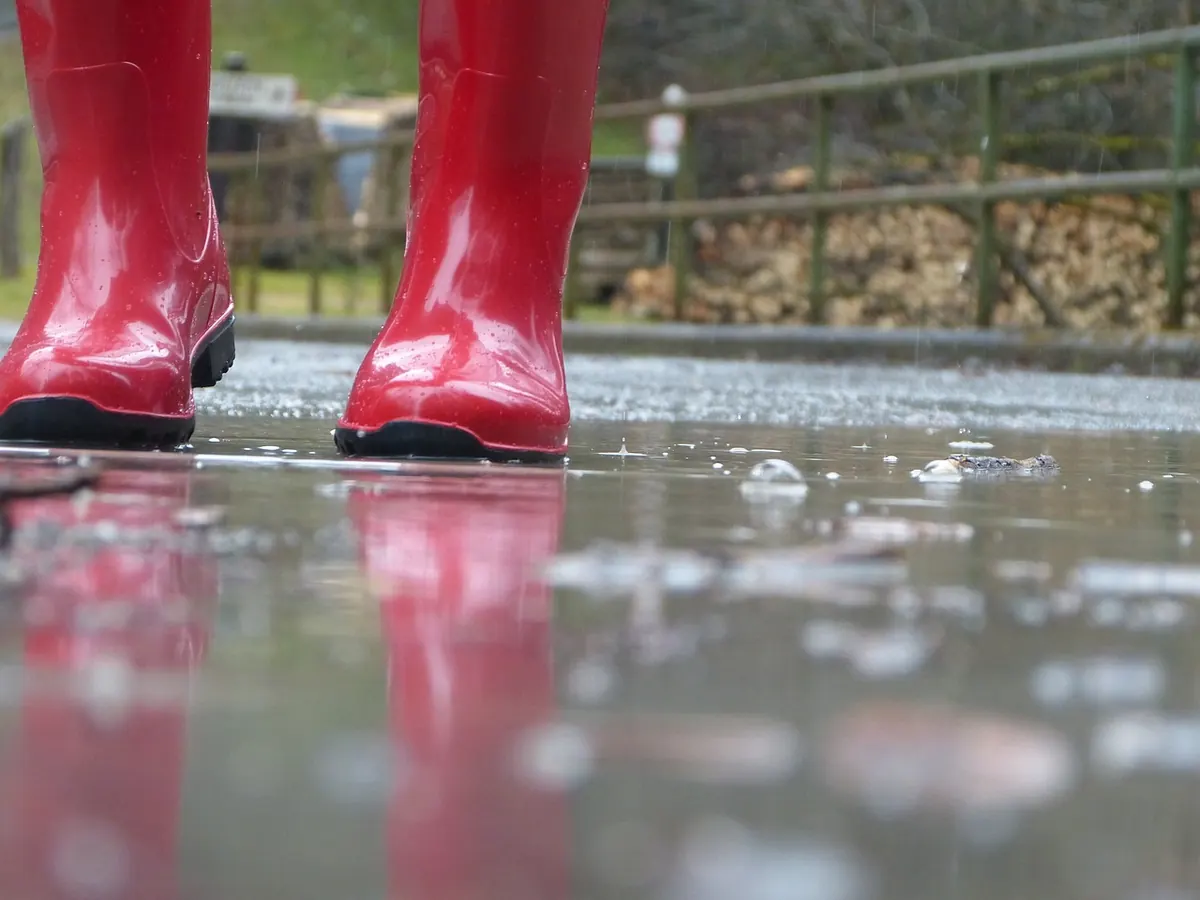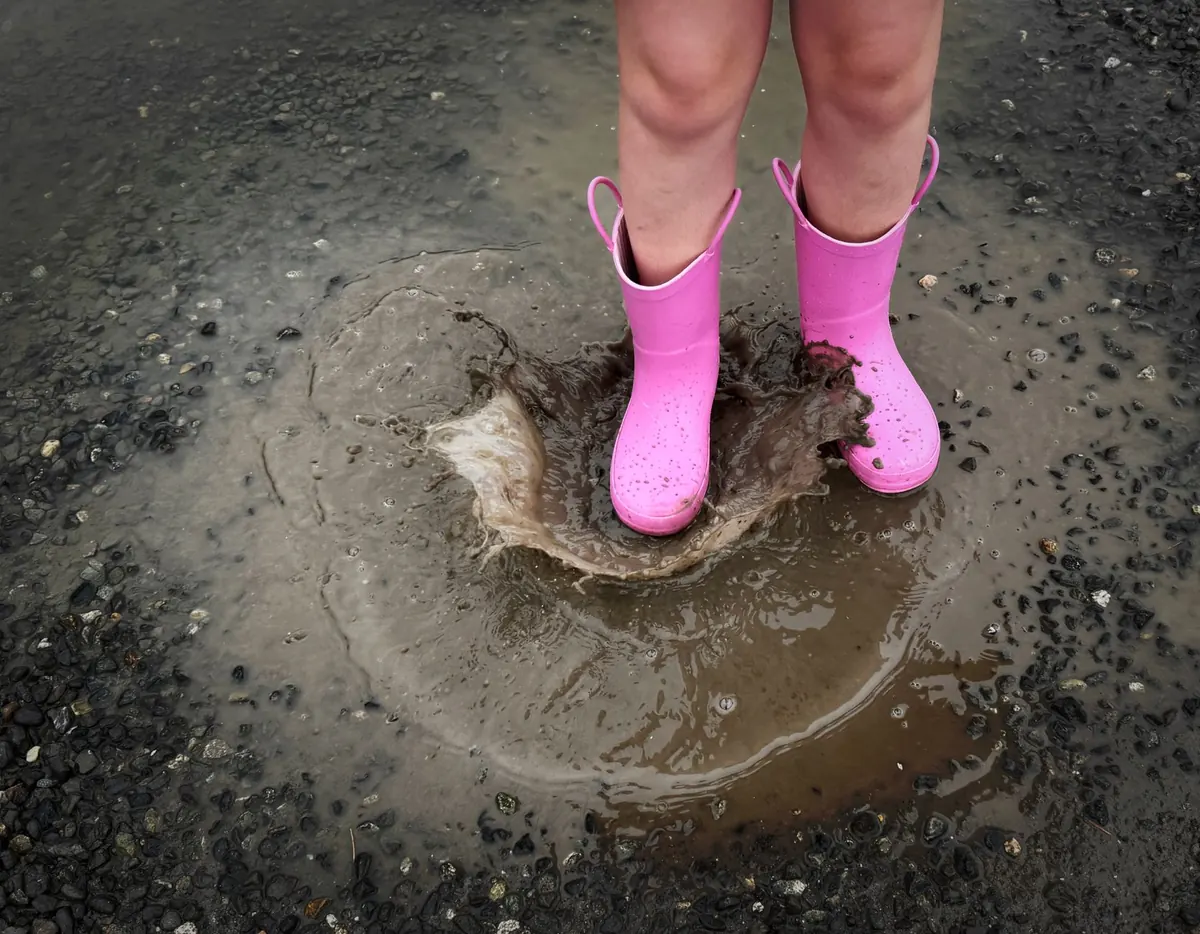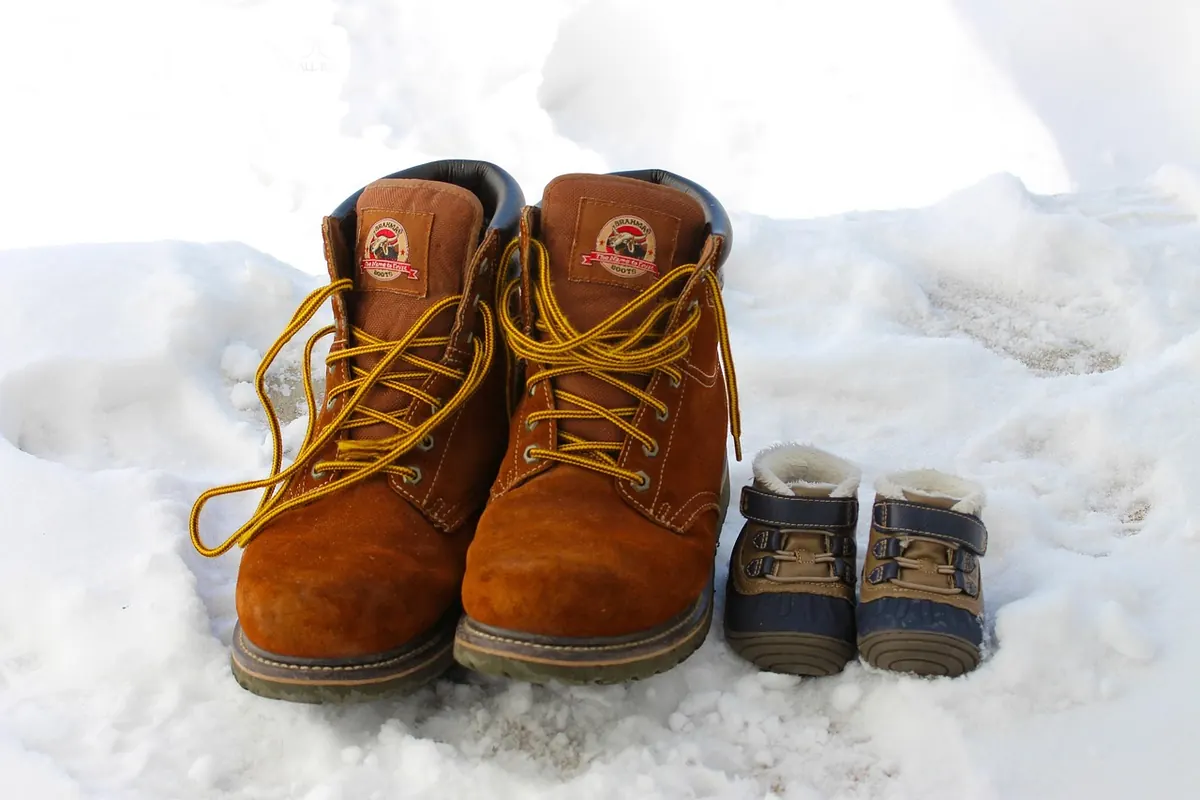
Stand in a frozen puddle for ten minutes and you learn something no product description tells you: a wellington boot is a waterproof shell, not a heater. Rubber keeps water out, but it only holds warmth as well as whatever you have put inside it. That is why two people can wear the same boots on the same frosty morning and one comes home with numb toes while the other is perfectly comfortable.
Winter warmth in wellies comes down to three things: the insulation built into the boot, the socks you wear inside it, and the size you choose. Get all three right and you can spend hours outdoors in the cold. Get one wrong and no amount of stamping your feet will help.
What actually keeps feet warm in a boot
Your feet generate little heat of their own. Warmth comes from the layer of still air trapped around them, which your body warms and which then slows heat loss. Anything that squashes that air out — a tight boot, a thick sock crammed into too small a space — makes feet colder, not warmer. Sweat matters just as much: damp feet lose heat far faster than dry ones, even inside rubber. And cold ground pulls heat straight out of the sole, which is why standing still on frozen concrete feels so much worse than walking on grass.
Standard rubber, neoprene and lined boots compared
Most general-purpose wellingtons are unlined or lightly lined rubber. They keep water out beautifully and are fine for a wet autumn walk, a muddy dog circuit or a quick trip to the bins. In real cold, though, a single layer of rubber has almost no insulation value.
Neoprene
Neoprene wellingtons are built around a foam layer, usually 3mm to 5mm thick, which traps air and slows heat loss. Thicker neoprene means warmer but bulkier and less flexible. It also has some give, so it hugs the calf and ankle and keeps warm air where you want it. If you will be standing around in the cold rather than walking briskly, neoprene is usually the better buy.
Thermal and foil liners
Removable liners — fleece, wool blend or foil-backed reflective types — add trapped air and bounce body heat back. They suit anyone who wants one pair of boots for most of the year: liner in January, out again in May. The catch is maintenance. A liner that gets damp and stays damp will make your feet colder, so it needs to come out and dry after every wet outing.
Fully lined winter boots
Some winter wellingtons combine neoprene with a warm textile lining and a grippier sole. They are the warmest off-the-shelf option and the heaviest. If you mostly walk rather than stand, a mid-weight boot with a good sock often beats a very heavy one, simply because you keep moving.
Sock layering: where most of the warmth comes from
Even a basic rubber boot becomes usable in cold weather with the right sock. Choose fibres that hold warmth when damp, and avoid anything that bunches or constricts.
- Merino wool is the reliable default: warm, breathable, still insulating when slightly damp, and slow to smell.
- Wool blends with a little synthetic fibre cost less and dry faster — a sensible everyday choice.
- Synthetic thermal socks wick moisture well for brisk walking, but can feel clammy if you are standing still.
- Cotton is the one to leave at home. It soaks up sweat, holds it against the skin and chills your feet.
- Two thin layers often beat one very thick sock: a light liner sock against the skin, a medium wool sock over it. The liner moves moisture away; the two layers trap more air.
- Boots with a removable liner usually need a thinner sock than unlined ones, because the liner already fills space.
Take spare socks. Halfway through a cold, wet day, swapping damp socks for dry ones does more for comfort than almost any other single change.
Sizing for warmth, not for roominess
The temptation in winter is to buy a size up for thick socks. A little room helps; too much backfires. If your foot slides around, you get friction, rubbing and blisters, and the air pocket around your toes is too large for your body to keep warm. Too tight is worse still: you compress the sock and restrict circulation.
Put on the socks you plan to wear in winter, then check these points.
- Your longest toe sits roughly a thumbnail's width from the front of the boot.
- Your heel lifts only slightly as you walk.
- You can wiggle your toes freely without your foot sliding forward.
- The boot feels snug across the instep but never pinched.
- If your feet feel cold within ten minutes of standing indoors, the fit or the sock is wrong.
Remember that a thick insole takes up space too. Adding a felt or wool insole — a genuinely useful trick against cold ground — may mean you need a half size more than you otherwise would.
When to choose neoprene or a thermal liner
Think about what you will be doing, not just how cold it will be.
Choose neoprene or a lined winter boot if you will be standing, kneeling or moving slowly: fishing, shooting, feeding animals, watching a match, working outside in January. Those activities produce little heat, so the insulation has to do the work.
Choose standard rubber with good socks if you will be walking steadily — a long dog walk, a commute on foot, a muddy ramble. Your body makes heat, unlined boots are lighter over distance, and sweat management matters more than insulation.
Choose a removable thermal liner if you want flexibility: one pair of boots adapted through the seasons. Just commit to drying the liner properly. A liner pushed back into a boot still damp is worse than no liner at all.
A practical cold-weather routine
Warm feet in wellingtons come from small habits repeated. Before you head out, pull on a thin liner sock and a wool sock over it, and check that neither bunches at the heel. Add a felt insole if the ground will be frozen. Slip a spare pair of socks into a pocket or bag. When you get home, pull the liners out, rinse off the mud and let everything dry away from direct heat — radiators harden rubber and shrink liners.
If you are heading out for hours in serious cold, or you have circulation problems or nerve damage in your feet, speak to a pharmacist or your doctor about what is sensible for you before relying on boots alone. Cold feet are uncomfortable; feet that stay cold, go numb or change colour need proper advice. For everyone else the formula is simple: decent insulation, one or two well-chosen socks, and a fit that leaves just enough room for both.
Photo: JeanineW / Pixabay